Wednesday, July 31, 2013

Everything Old is New Again in.... Art Deco

Art Deco happens to be one of my favorite styles.  There are quite a few examples of Art Deco in Buffalo, NY.  Some include: the architecture of Buffalo City Hall, decor at Hotel Lafayette, Buffalo Central Terminal, Electric Tower, etc.


What is Art Deco?
   Art Deco is a decorative style.  It was especially popular during the 1920s and 1930s.  It originated in Europe.  Art Deco is characterized by geometrical shapes, bold outlines, zig zag forms and synthetic materials.


Items from Etsy shops that would fit this style:

TheCreativeHearth
Buffalo, NY Postcard
https://www.etsy.com/listing/153941543/vintage-postcard-art-deco-greetings-from?ref=shop_home_active
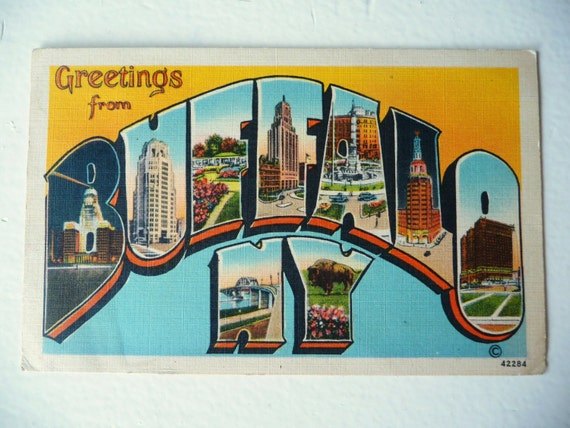
Vintage Postcard Art Deco Greetings From Buffalo New York Linen Postcard Win the War stamps 1943 WW II

JamesGreenwaldDesign
Richardson Towers
https://www.etsy.com/listing/153325796/richardson-towers-buffalo-ny-digital?ref=shop_home_feat
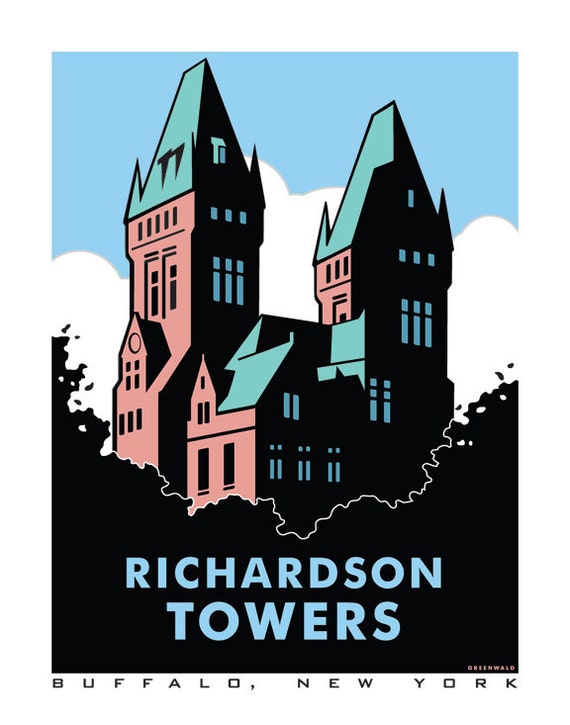
Richardson Towers Buffalo, NY Digital Print - 11x14


BeautBits
Salt and Pepper Shakers
https://www.etsy.com/listing/103308614/1940s-art-deco-salt-pepper-set-in-box?ref=sr_gallery_1&sref=sr_5fcb1aa5d861392d680fc437becf4b12175799fd1100d6d440e0686043b4e045_1375211003_14320609_deco&ga_search_query=Art+Deco+ny&ga_view_type=gallery&ga_ship_to=US&ga_page=4&ga_search_type=all
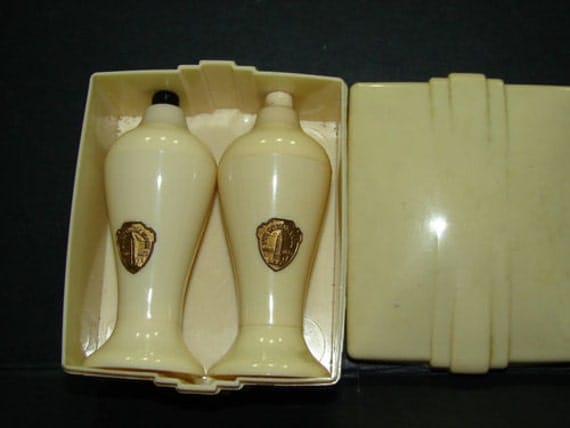
1940's ART DECO Salt & Pepper Set in Box Empire State Building NY Unused


Themes in Art Deco:

bold
geometric
luxury
glamour
social progress
technological progress
strong colors

Do you have any pieces in your shop that fit this style? If so, post below.

Tuesday, July 30, 2013

Photo tips 4: Staging your products

You've made a gorgeous piece of craftsmanship, now how do you best represent it to your customers?

Etsy listings have five free photo slots available. The better you can use these slots to your advantage, the more likely you are to have good views and sales.


Five types of photos will cover most of the bases:
  1. Overall image
  2. Detail
  3. Reversed (back of item)
  4. Item in use
  5. Packaging
Variety of angles is very important, as customers are "buying blind" without a chance to see or handle your products in person first. There have been times where I'm shopping and found that a different angle of the sweater or purse makes me want it more. And often times, if I can't get a good idea of the product's size or features, I'll just walk away and find something else.

Another creative way to use your allotted slots is to create a collage. These are pretty easy to do with photo editing software:


Backgrounds

White posterboard: You can buy this very cheaply from Walmart. Tape it to a table pushed up against a wall, so the paper is curved. This will avoid a harsh line in the background. Use the matte side, rather than the shiny side, to avoid glare.

Light box: This is particularly good for jewelry, pottery and other small/medium objects. It gives even lighting from all sides, and you can shoot any time of day. The diffusion of light provided by the veiled sides helps eliminate harsh shadows.

Step-by-step instructions for a DIY light box here!

For larger objects, you'll want to find a large, empty space to take photos. Clothing should be shown on a person or mannequin if possible. Hanging against a white wall on a wood hanger also looks nice. Quilts and blankets can be shown folded against a white background, but staging them on a bed is ideal to show the entire product.

People vs. models

Showing your items against people is a great way to illustrate scale. Take pictures of yourself or rope a friend or relative into modeling. Most digital cameras now come with self-timers so you can set up your own shots.

A note: If you make a product that people wear, like jewelry or clothing, you'll want to indicate if the item shown is the actual item the customer will receive. I make earrings, so I made a few demonstration pairs to wear for photos. Worn earrings ... not very sanitary!

Staging in an environment

Isolated photos are great and all, but what about showing the item in use?


So ... white is a style, right?
A lot of Etsy's success is due to the image and marketing of the Etsy "brand" (though technically it's only a collection of stores, not a store in itself). While there is a vast variety of items on the site, there's a certain look to many of the items on the site.

A popular kind of staging tells a story. Look at catalogs like Pottery Barn and Land's End. They don't just sell a candle or a t-shirt, they sell an image, an aesthetic, a lifestyle, and their photos reflect that. The photos give context.

Let's say you are selling fancy crystal jewelry, and you've decided to market to brides. Stage a necklace on a rich-looking black velvet display piece, or add props like a satin purse in the background. Brides who look at your necklace can more easily imagine themselves wearing it.

So, here's an example of contextual staging (excuse the meh quality of the last two pictures, I did them quickly for this blog):


Photo 1: "A cute wooden bowl. I like the color."
Photo 2: "A little bowl I can put some jewelry in."
Photo 3: "Aha! I put it on my nightstand, to store my wedding rings overnight!"

The props (rings) and the staging (my nightstand) tell a story about how my product will fit into the customer's life. You can do this with any decorative item - frame and hang a picture on a wall next to a bookcase, and customers can start envisioning it in their own homes.

White background: An Etsy trend

If you do a bit of browsing on Etsy, you'll notice that the majority of items have white or very neutral backgrounds. The simple reason for this is that white backgrounds don't distract from the subject - your product. White backgrounds are also easier to color-correct when editing (a subject I will discuss at a later date). They look professional, which is definitely an image that a small business wants to project.

However, there are many nice non-white backgrounds. As long as the background doesn't overshadow or distract the product, I say go for it! You can find fabric in a light gray or beige to use in place of white posterboard. A plank of wood can give a bit of visual interest without dominating the picture.

Bottom line is, you want your photos to accurately represent your product, entice customers to click on your link, and compel them to buy!

Next week, I'll be talking lighting!

— Jocelyn | paragraphloop

Monday, July 29, 2013

Monday Interview with Inspired Buffalo.


This week Marinette Kozlow from Inspired Buffalo took some time out from her busy schedule to share a little about herself and her shop! 


Please tell us a bit about yourself?
T-shirt designer, artist, Graphic designer, wife and home school mom of 3 boys

What do you create? Buffalo themed art and tshirts for everyone in the family but specializing in infant and children designs. How long have you been working on your craft/art? Nearly 3 years

How did you come up with your store name? It was Buffalo Princess based off of of my original design but has progressed to do much more. Standing back and looking at my art, I realize that it's not about princes and princesses but about all those who inspire me. So, I'm the "inspired" buffalo -- Inspired by those around me.


T-Shirt Buffalo, New York Born Unisex
How does Buffalo influence your work? The art that is all around me influences me to WANT to create. The friendly and helpful spirit of the locals make it so easy to network and ask questions. Certainly, the weather is a huge influence, lol! As my one artist friend said, Buffalo winters gives me time to create when I just want to stay inside. :)

What inspires you? So many things inspire me but mostly it's people and the things they do that make them so special. The innocence of babies, the make-believe of toddlers, real-life heroes and more inspire me. My art celebrates their lives

What is the best thing about having an etsy shop?
The best thing about having a shop on etsy, I think, is their search engine ratings. I get a lot of hits from search sites such as google, etc. another great thing I like is the fact that everything is done all in one place. They add the taxes when necessary and the shipping. It was great when I didn't have a way to accept credit cards, I could do it through etsy.

How do you promote your work to the world? Facebook, etsy, email list that people signed up for, giveaways on a local blog (www.fun4kidsinbuffalo.com), and shows.

What is the hardest part about selling online? Getting people to come and see in my opinion.

Where can your work be found locally? Spoiled Rotten in Buffalo, Bay-6 Buffalo Clothing Co in West Seneca, and The Perfect Gift in Clarence Center.

Do you have any up and coming art shows/craft shows that you would like us to know about? I'm going to be at the Erie County Fair August 7-18 from 9am-11pm in the Event Center. Would love for you to say hi and introduce yourselves!

Do you have any advise or suggestions for new sellers to etsy? Great photos! Renewing. Get people to come to it.


Do you do this full or part time?
 I just know I work a ton while juggling the rest, lol!

Have you had any formal training in what you do? My business has been "baptism by fire" as they say. Formal training was my graphic design. Graduated nearly 20 years ago from UB.

Where can you be found online? (website,facebook fanpage, etsy link, blog, flickr) on Facebook: inspired buffalo; on etsy: www.inspiredbuffalo.etsy.com; email: mak@inspired-buffalo.com


 Thanks Marinette  for sharing your experience with us! If you are from Buffalo and would like to be featured on the blog please contact me for more information!!

Saturday, July 27, 2013

ART SHOWS 101: Survival Tips for Show Artists and Crafters, Vol. 19: Bigger Isn't Always Better


Understanding the Connection Between Expenses and Net Profit

In an ideal world, participating in "Big" Art Shows should lead to BIG profits -- right? Well -- sometimes yes, and sometimes not so much. Traveling from city to city to participate in festivals can get pretty expensive. There are hotel/lodging expenses, gas, tolls, wear and tear on your vehicle and increased food/dining expenses - not to mention TIME! Your time, that you could spend doing something other than driving or hanging out at a hotel after the show closes for the day.

Be sure to consider ALL of the costs of doing shows before diving in. It's amazing how many artists just don't do that! Bigger does not always mean better!

Let me offer a case in point:

 I decided to opt out of a Central New York show that I usually do on this weekend. It's a three day street show that has seen it's attendance decline over the years. Instead, I participated in a one day show in Ithaca - the Ithaca Artists Market -- and it turned out to be a good decision! While I sold less art work this show, my expenses were lower, so I  actually made more money than I did at last year's much larger three day festival. 

Now, it doesn't always work out this way :-) But taking a close look at the actual costs connected to shows can help you decide which ones are must-dos and which ones you may want to skip next time around. 

Here are more pictures from the show:


Until next time - keep creating!


Alison

https://www.facebook.com/ArtistAlisonEKurek


Friday, July 26, 2013

10 Tips for Running a Great Garage Sale

 Several weeks ago my friend and I had our annual garage sale.  It is a bit of work but we always have fun doing it. Below are ten tips that will make for a successful garage sale. 

1. Visible and Clear Signs:

No one can come to your garage sale if they don't know the address, date and time. Be clear, if it's just one day make sure to write that on the sign. For example "Saturday Only".   Make sure the lettering is bold and neat and able to be seen from a car. I suggest white poster board with large black lettering. 

2.  Flexible Pricing:

Be willing to negotiate.   One thing to ask yourself is if you don't sell a particular item, what will you do with it? If there are items that you feel are valuable make sure to write "FIRM" after the price on the tag.  

3.  Plan for Bad Weather:

The weather can be unpredictable, especially in Western New York.  So was the case the morning of our garage sale. Thankfully we had several tents and also the use of the garage.  Even though it was raining, people still showed up because we had tents. Also having tarps to cover your items is also a good idea and are inexpensive. 

4.  Advertisements:

Placing an Ad in your local/town newspaper.  Many people who are "garage salers"  scout the ads and find them useful when coming up with an itinerary. Follow the same rules as you would with making signs. 

5.  A Clean Yard:

Make sure your yard is free from grass clippings, dog poop or large branches that someone could trip on. 

6.  Put Away Items You Don't Want to Sell:

People always find a way of scouting out those items that are in visible view but are not for sale. Put those items away.  If you are using your garage, use tarps to cover up anything not for sale. This is especially important if you are running a garage sale with multiple people. This way nothing will be accidentally sold. 

7.  Guard Your Money:

Make sure you know where your money is at all times. Also, keep your cell phone with you. Don't give anyone the opportunity to steal from you. 

8.  Plastic Bags and Wrapping Materials:

Have plastic bags and wrapping materials such as newspaper or bubble wrap to package up anything breakable.  Your customers will appreciate it and you won't have to clean up broken bits. 

9.  Take Signs Down:

There is nothing worse than having a bunch of people stop to your sale after you have everything packed up. Although this still can happen, taking down your signs is helpful.  Gas is expensive these days and it is annoying to follow a sign to a garage sale that is no longer running. 

10.   Organize Your Items:

It is often helpful for yourself and your customers to have organized sections such as books, toys, clothing, etc. If someone is looking for a particular item this makes it easier for them to scout it out. It will also makes it easier to pack your left over items at the end of the sale.  


Does anyone else have tips for a successful garage sale? If so, post below. 

Tuesday, July 23, 2013

Accepting July Creative Challenge Entries


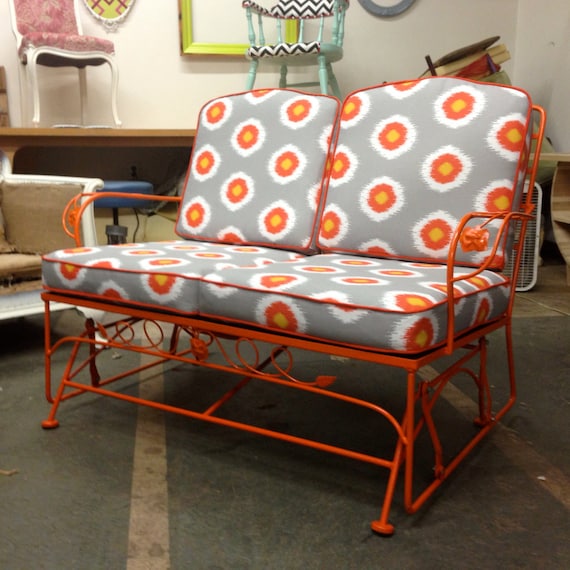
Wouldn't that glider look great sitting beside a sparkling blue swimming pool?

This is the week we accept submissions for our July creative challenge, and this post is where you can do it (late as it is- I apologize!). If you have made something that fits our theme of Swimming Pools and Movie Stars (chosen by June's winner, Jessica from Fast|crawl), here's how you can submit your entry:
  1. Post a picture of your theme-inspired creation/vintage find to a publicly-accessible place online (list it on Etsy, or post to your public Facebook fan page, Flickr, etc.).
  2. Post a link to your entry in the comments below before the end of Saturday, July 27. (The original deadline was Friday, but since I'm late in posting this, I'll extend it another day.)
As always, I look forward to seeing what you've all done. We'll start voting for a winner on Sunday, July 28, so stay tuned and stay cool!

Photo tips 3: Make your own light box!

Today we're making a light box!

A light box is a great help to product photography. It's made to create balanced lighting for product photography. Side-to-side lighting helps to eliminate harsh shadows and give an even appearance to products. Top-down or one-angle lighting will often distort a color from side to side.

You can make a light box for very little money. I had all the items here except the lamps ($8 each at Walmart) and bulbs.


Of course I couldn't find matching lamps!

You will need:
  • One tall box (at least 2 feet)
  • One sheet of white posterboard
  • Two sheets of 11x14 tracing paper
  • The longest ruler or yardstick you own (I used an 18" ruler)
  • X-acto knife
  • Sharpie marker
  • Wide packing or masking tape tape
  • Two adjustable-neck lamps
  • 60-watt GE Reveal lightbulbs
Lots of pictures and step-by-step instructions this way!